
Stephen A. Mutkoski, ’67, Ph.D. ‘76
The Story

The Wine Professor: The Classroom that Connected the World Through Wine
A Serendipitous Beginning
With other college choices already secured, Stephen A. Mutkoski wound up at Cornell almost by chance, having taken a road trip to Ithaca while in high school to visit a friend who was a freshman at the Hotel School. Toward the end of the visit, he had an impromptu meeting with the dean, Robert A Beck, who urged him to apply to the school. He did so, and the following year found himself moving up to Ithaca and attending Cornell as a member of the Class of 1967. The Hotel School quickly became much more than a place to earn a degree. Steve found mentors who challenged him, classmates and fraternity brothers who became lifelong friends, and a community whose values of hospitality, curiosity, and generosity would shape the rest of his life. Long before he returned as a professor, he had already begun to understand what made the Hotel School unique: it was a place where relationships lasted a lifetime.
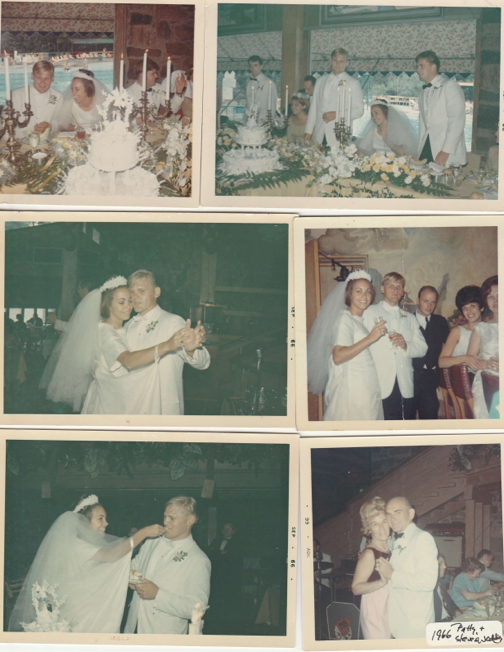
At Cornell, Steve met Patty Robinson, who would become his wife and lifelong partner in everything that followed. Together they built not only a life, but a Cornell family that now spans three generations. Patty graduated in 1966 and later returned to Cornell to earn her master’s degree. Their three children would each become Cornell graduates as well: Mark (‘89) from the School of Hotel Administration, Stephen (‘91 and ‘97) from the College of Arts and Sciences and later Cornell Law School, and Melissa (‘94) from the School of Hotel Administration. Today, a granddaughter is continuing that tradition as a Cornell student, extending a family connection to the university that began with that unexpected visit nearly sixty years ago. After graduating, Steve began his career in the hotel and restaurant industry, managing food and beverage operations for a multi-property hotel owner/manager, eventually opening his own restaurant and learning that hospitality is built one guest and one conversation at a time. During those five years, he stayed in touch with his mentors and friends at Cornell, who provided guidance and support for his entrepreneurial endeavors. Then came an early morning phone call from one of those mentors, Professor Vance Christian. Dean Beck wanted to offer Steve a teaching role that opened suddenly. This would be the opportunity that would bring him back to Cornell.
Steve returned to Cornell in 1972 to join the faculty and complete his Ph.D. in 1976, but his path was not yet pointed to wine. He initially succeeded Professor Jeremiah Wanderstock in teaching Meat Science for Commercial Food Service Managers. With academic roots in Cornell’s Animal Husbandry program, Wanderstock had taught the course for nearly two decades and built it on a strong scientific foundation. Steve brought a fresh perspective to the course. After several years managing and owning restaurants, he had learned firsthand that the food service industry was changing rapidly. Hotels and restaurants were moving away from purchasing large cuts of meat that required extensive in-house fabrication. Increasingly, the processing, trimming, and portioning were being done by specialized suppliers before the product reached the kitchen. Steve realized Cornell’s students needed to understand this emerging supply chain and learn how to specify, purchase, evaluate, and manage meat products rather than simply fabricate them. His work included food production management, purchasing, menu planning and controlling costs in food service operations, but his deeper subject was always hospitality. Rather than relying solely on textbooks and traditional lectures, he built relationships with the very companies transforming the industry. Commercial meat purveyors became partners in the classroom, exposing students to the products, purchasing decisions, quality standards, and operational realities they would soon encounter as managers. Steve wasn’t simply updating a course; he was redesigning it for the world his students would enter after graduation.
This would become a defining characteristic of his teaching. Throughout his career, Steve had the vision to look beyond the way an industry had always worked and asked a different question:
What world will my students be entering when they graduate? Then he redesigned the courses he taught to prepare them for that future.
That same philosophy would soon reshape another Cornell institution.
An Introduction to Wines
Twelve years after an early morning telephone call had brought him back to Cornell to teach Meats; another call would redirect the rest of his career. In 1984, after Professor Vance Christian’s untimely death, Professor Mutkoski was asked to carry forward Introduction to Wines and Spirits. He inherited a beloved course from Professor Christian, his friend and mentor, but not a script for what the course and the broader wine curriculum at Cornell could become. Christian, who held Cornell’s Villa Banfi-sponsored chair in wine education, had already transformed Introduction to Wines and Spirits into one of Cornell’s most distinctive classes. He believed that wine could serve as a gateway to culture, history, geography, and hospitality, and he persuaded the University to open the course to students across the Cornell campus rather than limiting it to the Hotel School. By the time Mutkoski inherited the class, Christian had created not simply a course about wine, but a shared Cornell experience that brought together students from every corner of the University. In the ensuing decades, “Wines” would become one of the most enduring of those shared experiences that characterize an undergraduate education at Cornell.
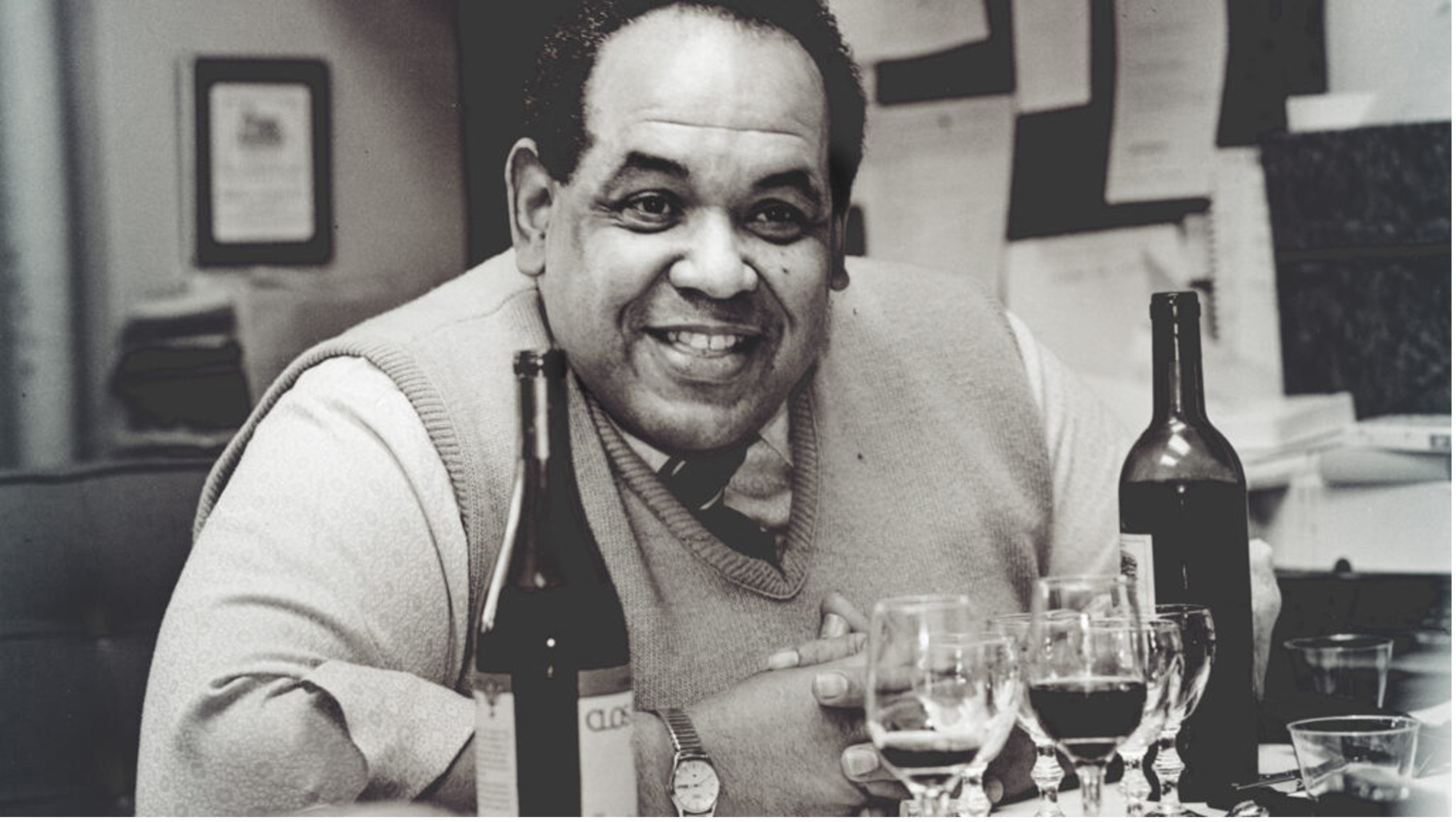
Professor Vance Christian ’61, MS ’65 the Villa Banfi Professor of Hotel Administration and Cornell’s first Black tenured faculty member.
In the year prior to his becoming the new wine professor, he was invited by Dean Beck to teach in the graduate program IMHI in Cergy Pontoise. That gave him the opportunity to take a sabbatical with his family to France. This experience would greatly influence and inspire his future path in teaching the wines course. Exploring French food and wine culture helped develop his understanding, knowledge and affinity for wine and the people making the wines. Visiting caves with his young family in tow endeared him to many winemakers and these early connections helped him experience the personal nature of wine. It also helped him develop his palate, which would become a great part of his skill as a wine educator.
With these early experiences with wine and wine culture in France, Professor Mutkoski understood something simple and meaningful: wine was the vehicle. Hospitality was the destination. The purpose of the course was never simply to teach students about wine. It was to teach them to see the people, history, geography, culture, and generosity in the wines they taste. More importantly, it could place strangers at the same table and create connections. Every bottle represented people. Every label represented a family. Every vintage represented history. That conviction would shape the next quarter century of his career and transform the school’s approach to teaching about wines and spirits.
Although the course had long been known as Introduction to Wines and Spirits, Professor Mutkoski eventually narrowed its focus to wine alone, renaming it Introduction to Wines. He often explained that attempting to cover both beer and spirits in a single lecture each left too little time to do either subject justice. The change allowed him to devote more attention to the world’s wine regions and further deepen the educational experience.
The Cellar Beneath Rochester
In spring of 1988, few people at Cornell had heard the name Paul J. Noeth. Even within New York’s wine trade, the surname belonged to an earlier generation and had been largely forgotten. After Prohibition, Noeth had built one of Rochester’s finest wine-and-spirits businesses, importing directly from Europe’s great producers. When the business closed, the crème de la crème of its inventory slipped from public view and rested for years beneath the city. The existence of this “inventory” reached Professor Mutkoski via a telephone call from Cornell’s Trust Office. They told him that an Alum had died and left his estate to the University. Among the assets was wine. Would Professor Mutkoski travel to Rochester, inventory it, estimate its value, and help Cornell sell it?
Since Mr. Noeth had attended the Hotel School, Professor Mutkoski asked one question: “Would the Hotel School be able to keep any of the wines for teaching?” The answer was “no”; the University intended to liquidate the collection. There was no inventory to study and no reason to believe the trip would help his students. Classes had ended; summer in Southold was near, and he respectfully declined.
Three months later, the Trust Office called again. Another appraiser had looked at the “inventory”. The verdict was that the wine had little or no value. If Professor Mutkoski wanted anything usable before the rest was discarded or sold, he could go to Rochester and select what he thought he could use. This time he agreed. Cornell colleague Chris Muller went with him as a second experienced set of eyes on what both assumed would be a modest salvage operation. The executor met them and drove not to a gracious shop or private cellar but to Clancy’s Moving and Storage, an aging commercial building near the railroad tracks. The building looked dilapidated.
Inside was an old freight elevator. Professor Mutkoski would later joke that he silently hoped it went down; if it went up, the day would be wasted.
The elevator shuddered and descended two levels below ground. When the doors opened, the first impressions were physical: darkness, cool air, perhaps fifty-five degrees, and high humidity. Before them, wooden pallets receded into the dimness of an enormous underground room. They asked where the wine was. The executor answered: this is it, all of it. Every pallet. Original wooden cases stood undisturbed. Individual bottles remained wrapped in paper. Names emerged from the half-light: Château Lafite Rothschild, Château Margaux, Château Pichon Longueville Comtesse de Lalande, Domaine de la Romanée-Conti, Vosne-Romanée, Grand Cru Chablis. These were not a collector’s scattered trophies. There were hundreds of cases on pallets, forming a submerged piece of twentieth-century wine history.
The executor suggested opening a bottle. It was ten in the morning. Instead of reaching for a famous red Bordeaux, Mutkoski walked toward nineteen cases of 1959 Patriarche Père et Fils Pouilly-Fuissé. The choice carried the kind of question that animated his teaching: could a village-level white Burgundy, nearly thirty years old, still tell students something worth knowing? The cork came out intact. The fill remained high. In the glass the wine was deep gold, carrying butterscotch and caramel aromas, its Chardonnay character transformed but still legible after three decades in ideal conditions. It had moved beyond youthful freshness, but that was precisely the lesson. A student might never again taste what properly aged white Burgundy became after thirty years in bottle. Its educational value did not depend on its price. The bottle had answered the question. If this white wine remained alive, what might the reds contain? Professor Mutkoski turned to the executor. His response took four words.
“Please, ship it all!”
~Stephen A. Mutkoski, Rochester, 1988
Those words changed Cornell. The newly completed Vance A. Christian Beverage Management Center would open with a teaching collection unlike that of any university. Generations of students would taste wines no academic budget could have purchased. Bottles preserved in darkness and silence would again be opened, shared, discussed, and remembered. The timing seemed almost arranged. The Center, graciously supported by Banfi Vintners, Marvin Shanken, General Foods, Don Coe of Allied Lyons, and others, provided professional classrooms and a controlled cellar for roughly four thousand bottles. The building supplied the walls. Paul Noeth supplied the bottles. Professor Mutkoski supplied the vision.
Most educators might have treated the Noeth Collection as the culmination: a great acquisition safely housed. Professor Mutkoski saw it as a beginning. Each label bore a family name. Each vintage marked a passage in that family’s history. Every bottle carried the possibility of reconnecting Cornell with the people who had made it. The collection would become valuable not by remaining intact, but by moving outward into relationships and back again into the classroom.
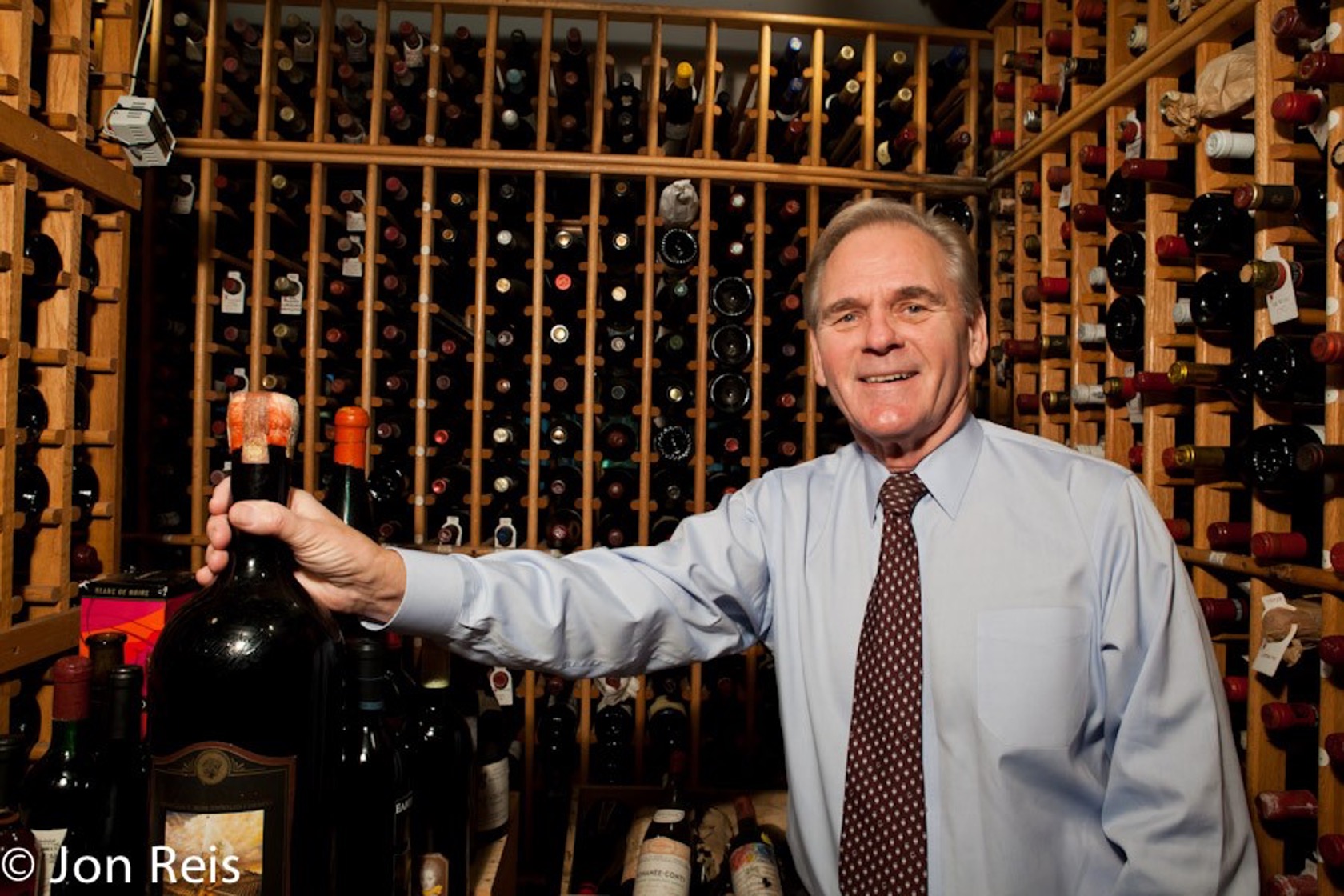
Alison Napjus:
Enjoying wine is as much about the wine itself as the people, places, and memories associated with that wine. I have had the good fortune to taste the 1959 Chateau Margaux on four separate occasions. Arguably the fabulous Corrine Mentzelopoulos (owner, Chateau Margoux) should come to mind immediately, or perhaps the late, great Paul Pontallier (longtime winemaker and managing director). But no, not for me. I will always associate ’59 Margaux with sitting in Wines 101 and having an eye-opening “wow moment” in wine as I tried an almost 40 year-old wine for the first time. Professor Mutkoski explained that at some point he was called to assess a wine collection donated by an alum, only to find pallet after pallet of wine bought on release and long stored. Not all of it was ’59 Chateau Margaux caliber, but the educator in Prof saw the potential to indoctrinate a new generation of wine lovers and to share his passion for wine in an unforgettable way.
Alison Napjus, Senior Editor & Tasting Director, Wine Spectator
The Bottles Became Introductions
A rare bottle gave Professor Mutkoski a reason to write. A château owner might receive a photograph of an old label or hear that Cornell still held a vintage long absent from the estate’s own cellar. Sometimes a bottle traveled back to its place of origin, not as a commodity but as a family document. The gesture changed the conversation. Cornell was no longer asking an estate for something. It was returning a piece of history.
On one such visit, a château owner saw bottles bearing labels she had helped affix as a little girl. The years between the child at the labeling table and the woman standing before Cornell’s preserved bottles seemed to collapse. She became emotional. The wine had crossed an ocean and waited through decades, but what moved her was not rarity or market value. It was the sudden recovery of her own family’s work and memory.
Scenes like that made lifelong friendships possible. A bottle opened a door; the person on the other side kept it open. Professor Mutkoski’s relationships with Jean-Michel Cazes of Château Lynch-Bages, Bruno Prats of Château Montrose, and Paul Pontallier of Château Margaux were not ornaments to a distinguished career. They were working bridges between Ithaca and Bordeaux, bridges over which people, stories, teaching wines, and trust could travel. With their help, the Conseil des Grands Crus Classés en 1855 developed an enduring relationship with Cornell. Each year, classified-growth owners or winemakers came to Ithaca to address the large wines class and to lead a smaller evening seminar for Hotel School students and faculty. Six cases of six different classified Bordeaux arrived each spring, enough to support both semesters. Students did not merely hear an account of Bordeaux from a lecturer. They encountered the people responsible for carrying their estates and traditions forward.
Professor Mutkoski understood the exchange from both sides. Today’s students would become tomorrow’s hotel executives, restaurateurs, wine buyers, collectors, physicians, architects, lawyers, scientists, entrepreneurs, financiers and business professionals, travelers, and customers. He often explained that the students sitting before him would become the people making purchasing decisions for the next forty or fifty years. If producers wanted to introduce their wines to the future leaders of hospitality, there was no better place to begin than a Cornell classroom. Students, in turn, could learn directly from the people who made the wines at their vineyards and in their cellars – giving greater perspective on the people, places, relationships and methods than would be achievable without the face-to-face interaction that a visit to Cornell would deliver. The relationship elevated both the learning and the trade.
The pattern extended through the German Wine Institute, Wines of Spain, the Italian Trade Commission, New York wholesalers, and friends across the international wine community.
Having been appointed the Banfi Vintners Professor of Wine Education and Management opened many doors. More than ninety percent of the wine poured in the course was donated. Yet the percentage mattered less than the reason it was possible: people trusted that Cornell would place their wines in a serious classroom, connect them to context, and introduce them to students who would carry those encounters into the wider world.
Another of those introductions began not with a producer, but with a student. David Drucker, a 1999 graduate of Cornell’s School of Hotel Administration, arrived in Professor Mutkoski’s classroom already interested in the beverage industry. He recognized that Cornell’s courses could connect students not only with wines, but also with the people and businesses shaping the trade. David brought his father, Steven Drucker, then principal and chief executive officer of Charmer Industries, to Ithaca to see the wines class firsthand. David persuaded him that supporting Cornell’s beverage curriculum was more than a donation: it would give students direct exposure to producers, importers, distributors, and the commercial realities behind every bottle. Steven Drucker saw the value immediately, and a student introduction became an enduring industry partnership.
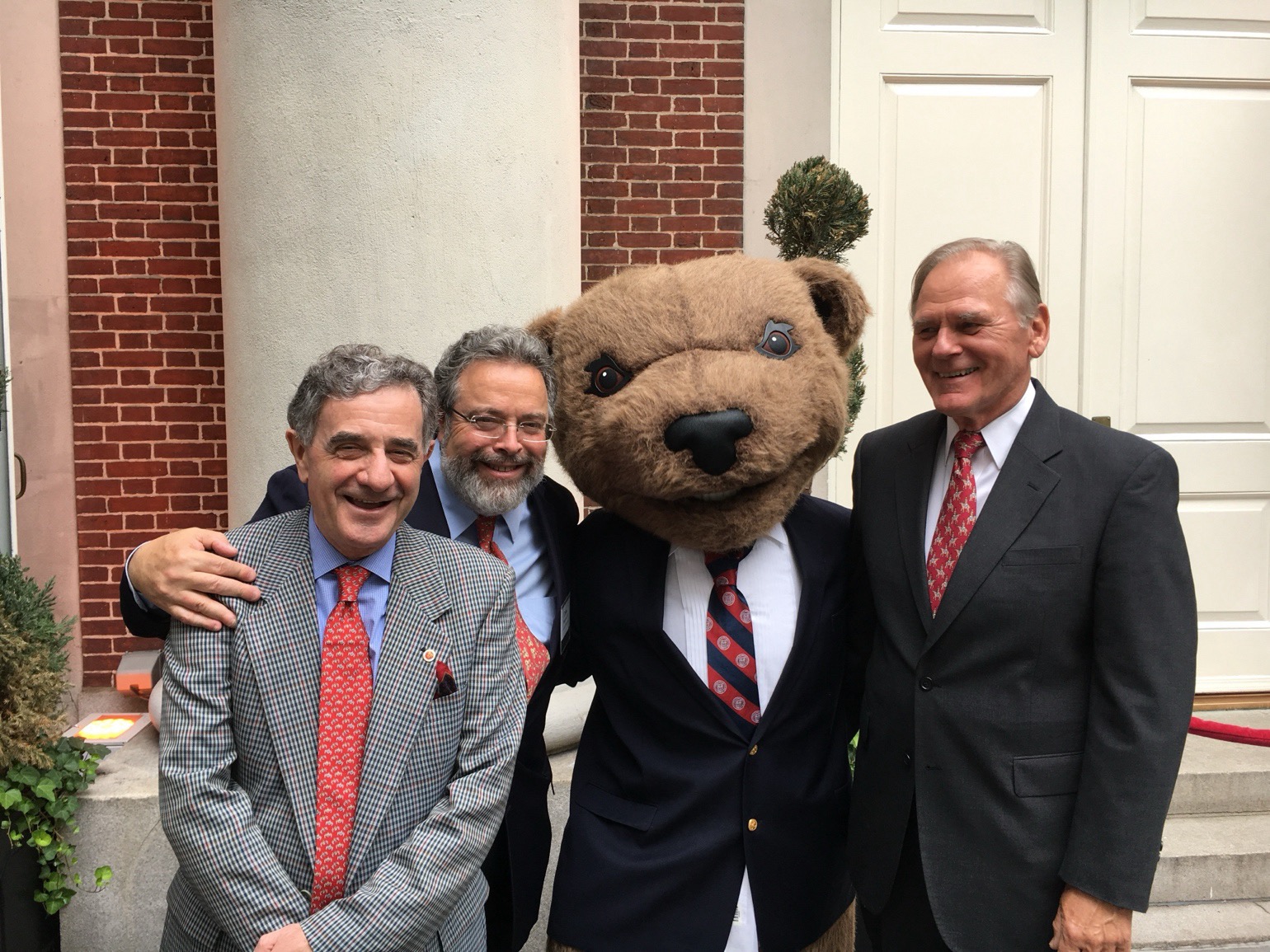
Guiseppe ‘84, Drew ‘77 and the Cornell Bear Touchdown.
Giuseppe Pezotti:
For me, words are not sufficient to celebrate Professor Steve Motkoski. I was fortunate to have him as my professor in the early ’80s. When I graduated from the Hotel School I was invited to remain and become part of the teaching team for the now famous wines class. My biggest honor is to have been named on the same syllabus with Professor Christian and Professor Motkoski as their Support Specialist.
Steve and Patti became my wife’s and my dear friend. They were there for me at the most difficult times in my life, most significantly when I lost my wife Deborah/Debbie. Even though he left more than 10 years ago, I try to speak with him at least every couple of weeks.
I miss him incredibly, and I thank him from the bottom of my heart.
From my professor, he became my pal.
Dal profondo delmio cuore, grazie.
Giuseppe
There were many connections and contributions made by people in the wine industry that continued to help propel the wines program over the years. Professor Mutkoski continued to develop the relationship between the wine industry and the Wines class. In one example, wine educator Robin O’Connor helped connect Professor Mutkoski with a couple that had sold their Manhattan townhouse and wanted to give their cellar to Cornell. Professor Mutkoski and his wife Patty were in Manhattan that day, so they rented a U-Haul and found a dolly. Together they went down into the townhouse cellar, brought up case after case, crossed the sidewalk, and loaded the truck. One hundred and thirty cases later, they turned north for Ithaca. There was no ceremony, no photographer, no plaque, only a deadline, a borrowed truck, physical work, and the conviction that bottles entrusted to Cornell should reach students.
The episode is just one example of many. Relationships created the call – people were on the lookout for these opportunities. Professor Mutkoski made it happen – the collection existed so the contents could reenter circulation as education, conversation, and memory. Memorable wine experiences mattered, and lifelong relationships and friendships grew around them. The collections became not an archive of objects but a choreography of introductions. A wine from another era might introduce a student to an estate; a returned bottle might introduce Cornell to a family; a visiting producer might remain a friend for decades. Former students introduced later students to jobs, regions, people, and ideas. Families met history. Institutions found one another. People throughout this ecosystem became inspired by wine and carried that inspiration through their lives in ways both big and small.
The donations did more than enrich the curriculum: They made the otherwise impossible affordable. They brought extraordinary wines and spirits into the classroom at a scale no university budget could have sustained, transforming producer generosity into both world-class instruction and meaningful financial support for the Hotel School.
In addition to the wine producers, the people and businesses shaping the wine trade and those who facilitated donations of wine, there were countless others who made repeated treks to Ithaca to collaborate, guest lecture and otherwise participate in this community. Notable regular contributors included Kevin Zraly, Philip di Belardino and Steve Olson, each of whom brought the perspective of educators and communicators who knew how to command a room. Their generosity and commitment to the Cornell Hotel School and the beverage management program was inspiring. The work was never a private kingdom. It was a chain of stewardship, including former students, teaching assistants, colleagues, merchants, producers, future educators, and of course the fantastic individuals who made a point to come in person and give of their time to Cornell and the beverage management program.
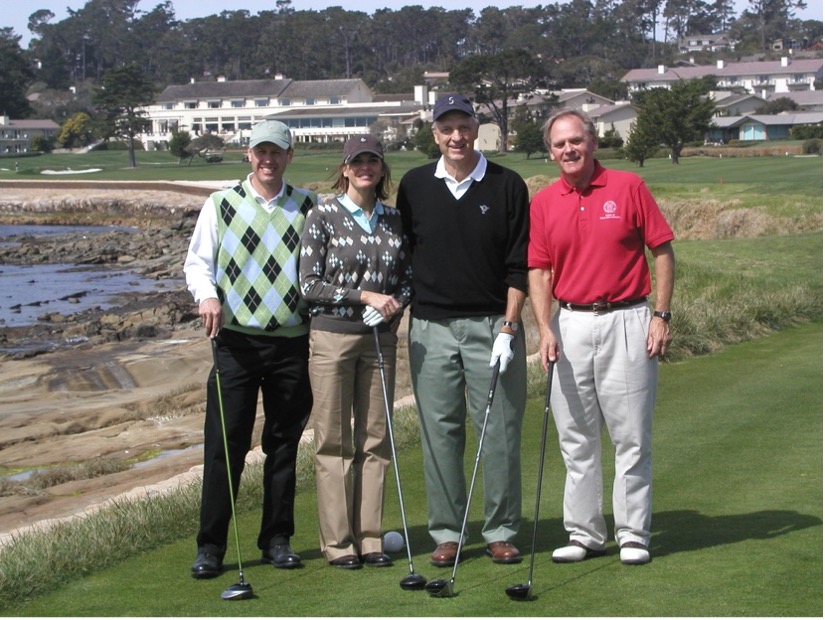
With Harry Mariani, his daughter Kate, and Marc Goodrich at Pebble Beach.
Ginny Mariani:
For 3 decades, I watched Steve transform Cornell’s SHA wine program from an excellent course into a nationally recognized model for wine education. Under his leadership, enrollment grew dramatically, and he elevated wine education to a level of importance that hospitality schools across the country could no longer ignore. The “Introduction to Wines” course became the blueprint that other hospitality schools sought to emulate.
What made Steve truly an exceptional educator was not simply his knowledge but also his passion. He believed that understanding wine was an essential part of a complete hospitality education. Whether his students used what they learned as part of their careers in hospitality or as well-informed wine drinkers, he made a difference.
I feel very fortunate to know him first as a professor, then as a colleague and finally (and most importantly) as a family friend.
Ginny Mariani Kitt Hotel ’82, Proprietor, Castello Banfi
The Class Where Cornell Came Together
As noted, Introduction to Wines and Spirits was born in the Hotel School, but it did not stay there. Professor Vance Christian convinced the central administration to open the course to students across campus. Cornell students in other schools eyed the calendar for when they would turn twenty-one and took a shot at getting into the course. Inviting students from across the University: engineers and architects, pre-med students and future physicians, lawyers, scientists, graduate students, entrepreneurs, and Hotelies preparing for careers in restaurants and hotels, quickly grew enrollment to 250 students each semester. The demand would grow far beyond that as the word spread. In a university organized by colleges, disciplines, laboratories, and professional schools, the Statler auditorium was one of the few rooms in which Cornell assembled as “Cornell”. A hotel student could sit beside a chemist who understood fermentation molecule by molecule, an architect alert to the design of a cellar, or a historian attuned to the wars and inheritances hidden inside a vintage. Their differences enriched the table. The shared glass gave them a reason to speak.
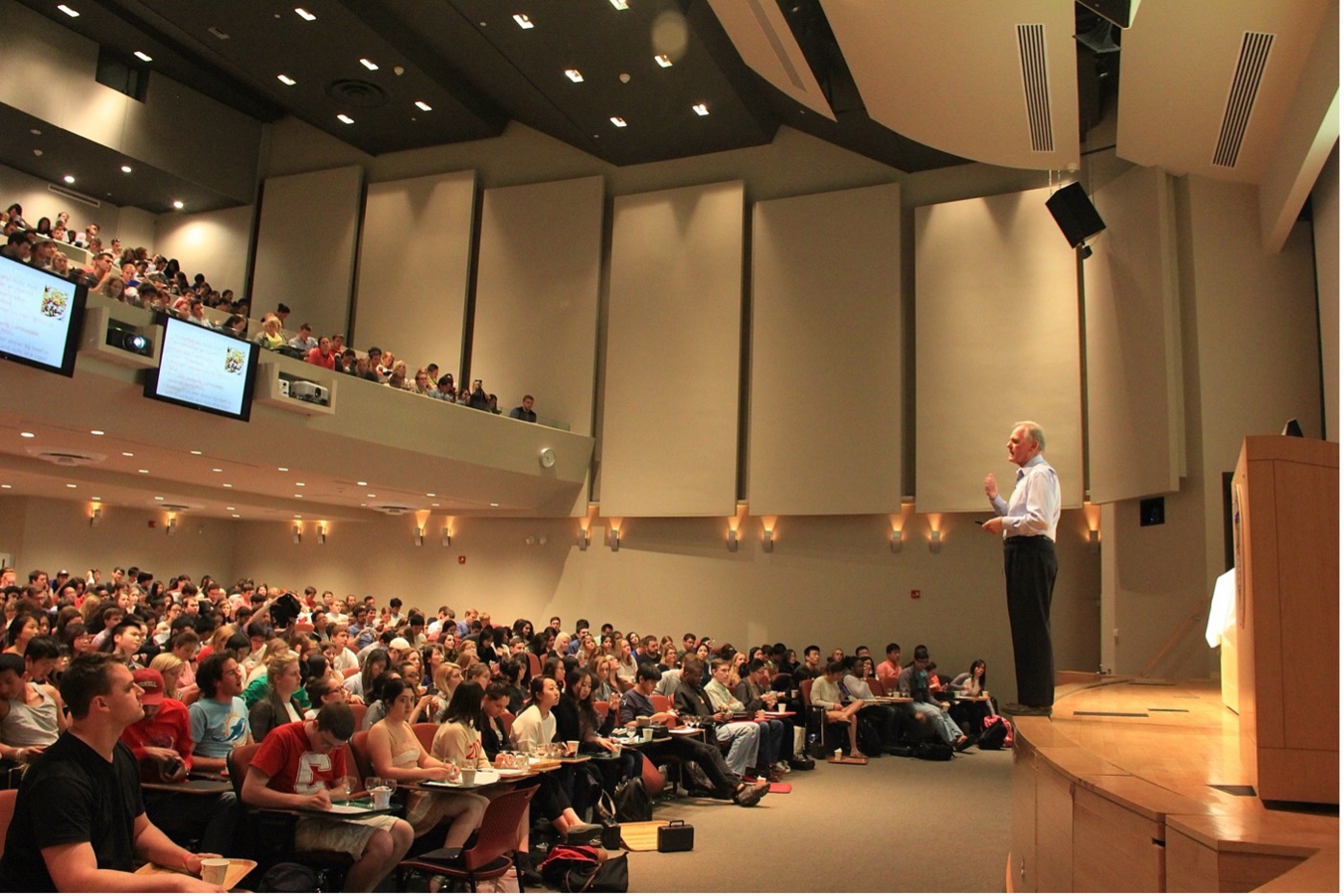
In due course, nearly a thousand students a year experienced “the wines class.” The scale could have made the course impersonal. Professor Mutkoski used it to demonstrate the opposite: that a large room could still be hospitable. The ritual of looking, smelling, tasting, comparing, and discussing gave strangers a common vocabulary. Students learned judgment without pretense and discernment without snobbery. They were invited to notice carefully, and then to listen to what someone else noticed. Long after the appellations and vintages blurred, former students remembered the room: who sat beside them, what surprised them, which visiting winemaker made a distant place seem nearby. Wine was the vehicle. The true curriculum was curiosity, conversation, and the pleasure of making room for other people.
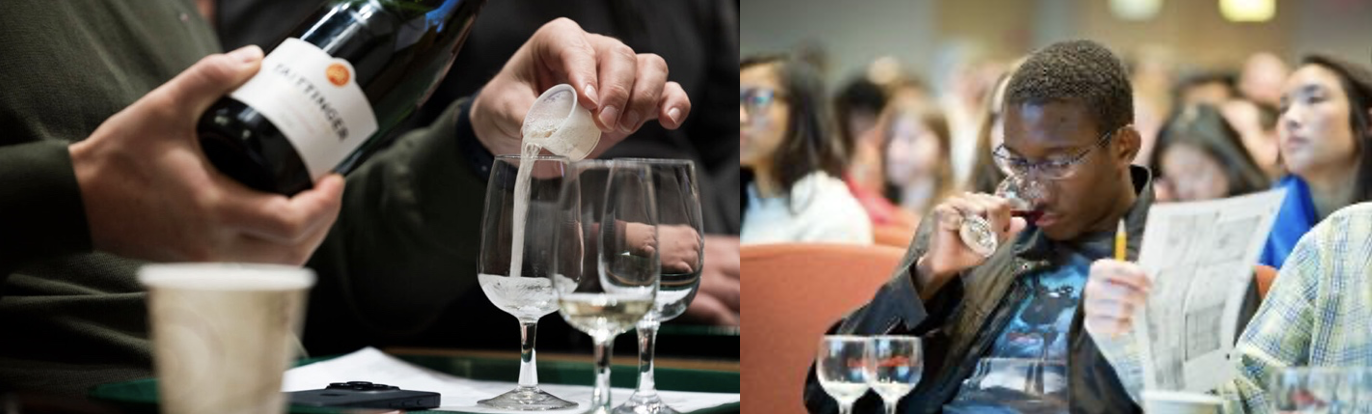
Samples are poured by the ounce
Professor Mutkoski often said that his greatest satisfaction did not come from introducing students to fine wines. It came from watching their horizons expand. For him, the greatest reward was watching students discover another culture, another language, another family, another way of thinking about hospitality. If that classroom inspired someone to travel, to ask better questions, or simply to gather people more thoughtfully around a table to enjoy food and wine, then the course had done its job.
The classroom often extended beyond Statler Hall and into the Mutkoski family home. Professor Mutkoski and Patty regularly hosted guest lecturers, visiting wine industry leaders, Cornell faculty, his teaching assistants, and distinguished guests from a wide range of professions for dinners and informal gatherings. End-of-semester teaching assistant dinners became a tradition, with students often helping prepare the meal themselves. A course serving hundreds of students each semester required approximately twenty teaching assistants, with teams responsible for tasting preparation, front-of-house operations, and back-of-house logistics. With so many students involved in the course, these dinners were lively affairs, bringing together a large community of students who had worked closely together throughout the semester. The guest list could be remarkably eclectic. Accomplished chefs, business leaders, scholars, public figures, and internationally recognized wine personalities might all find themselves around the same table.
Patty would later joke that she often did not know who might be joining them for dinner until Steve arrived home with a guest in tow. Many former teaching assistants would later recall these evenings as among their most memorable Cornell experiences, not because of any single guest or occasion, but because they reflected the culture Professor Mutkoski and Patty had created: a belief that hospitality was most meaningful when practiced personally and shared generously.
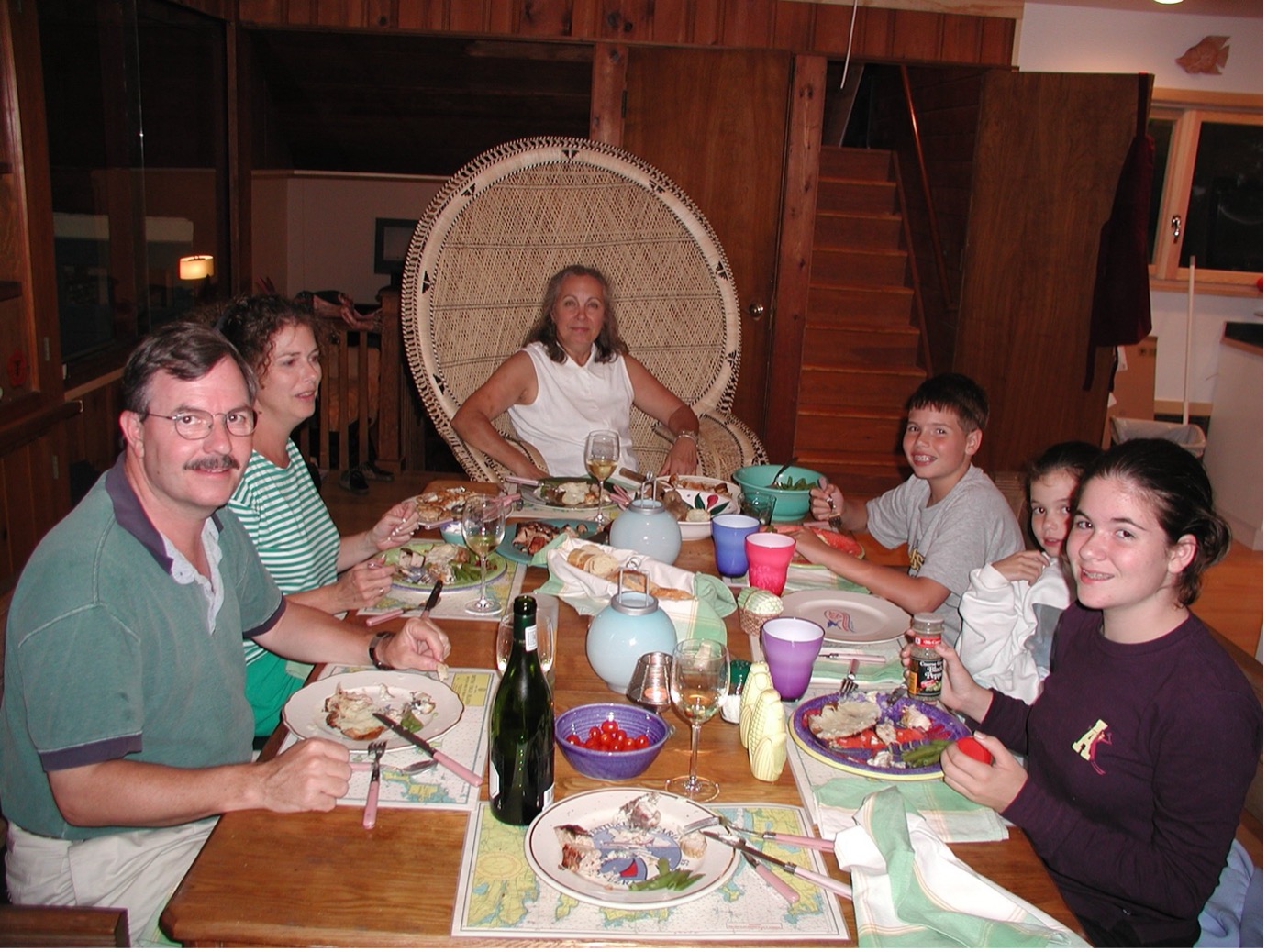
Chris ‘MPS 85, Ph.D. ’92 and Melinda Muller and family during a visit
The Wine Professor Goes Digital
By the late 1980s, Professor Mutkoski saw yet another opportunity to rethink the classroom. For years, he and his wife Patty had traveled through the world’s wine regions, returning with thousands of photographs documenting vineyards, wineries, cellar practices, appellations, labels, regional cuisine, and the families behind the wines. Those images filled countless slide trays and became the visual heart of The Wines Course. Over four decades, that collection ultimately grew to more than 100,000 photographs. Long before digital cameras, every image represented planning, travel, film, processing, labeling, and careful organization. Together they became one of the most comprehensive visual archives of the world’s wine regions ever assembled by a university educator.
But Professor Mutkoski wanted students to do more than watch slides. He wanted them to explore. Using Apple’s revolutionary HyperCard platform, Professor Mutkoski, Patty, and eventually members of the family began transforming decades of photographs and teaching materials into an interactive multimedia learning system. At a time when most professors still relied on slide carousels and overhead projectors, HyperCard allowed students to navigate ideas rather than simply receive them. Years before the World Wide Web existed, students could click from a vineyard to a map, from a map to a producer, from a producer to a wine, and from a wine to the food and culture that gave it meaning.
The project became known simply as The Wine Professor. The Wine Professor was redefining what multimedia education could become. It is believed to have been the first interactive multimedia wine education program ever created. Building the program required nearly one hundred thousand photographs to be organized, scanned, indexed, and linked together. Every image, every map, every regional description, and every menu became part of an ever-growing digital encyclopedia of the world’s wine regions. Professor Mutkoski provided the vision and educational framework; Patty Mutkoski helped build and organize the content, and even their children contributed to the enormous effort of transforming years of travel into an entirely new way of learning.
Like the meats curriculum before it and the Wines course itself, the technology was never the point. The goal was always the same: Bring tomorrow’s world into today’s classroom.
When the Name Traveled Ahead
The reach of the classroom was often revealed not at Cornell but in moments when the family was thinking about something else entirely. Numerous interactions with former students over many years would bring the point home. These encounters continue to this day.
At his wife’s first obstetric appointment, Professor Mutkoski’s son Steve heard the physician pause at the family name. He recognized it. The examination room, with all the anticipation of a first child, briefly became another Cornell reunion as he reminisced about “the wines class.” He would go on to deliver three of Professor Mutkoski’s grandchildren. The student and professor were no longer standing in a lecture hall; their lives had crossed again in a room where a family was growing.
The same recognition occurred in hotels far from Ithaca. Mutkoski family members who travelled extensively for work would check in, hand over a name, and see a general manager look up.
“Mutkoski?” Then came the question, and almost always a smile: was this the family of the professor who taught the wines class? The welcome that followed conveyed gratitude carried across years and miles by a former student who remembered being brought into a larger world.
A more recent encounter happened at an ice rink. Scott Moffat (Arts ’04) had joined the Darien Winter Club in 2025 and had seen the name “Mark Mutkoski” in the club membership. One night at the rink, he asked Mark the question he hears all the time: “Are you related to The Wine Professor” at Cornell? He went on to tell his story, both about the memorable classroom experience itself and how it inspired him to join a wine tasting club while in graduate school in New York City. Scott wound up leading the wine club and applying what he had learned at Cornell, and wine has become an enduring passion for him. He proudly revealed that he still has his tasting kit from the class and displays “Wines for Dummies” on his bookshelf at his office! And now, he plays ice hockey twice a week with Professor Mutkoski’s son as well as his grandson Dylan, who also recently joined the club.
Each encounter traced an invisible network: Cornell to a classroom, the classroom to a career, the career to a hotel, a restaurant, an airport, and many other places both professional and social in nature, only to circle back again to the professor’s family. The classroom had not ended at the semester’s close. It had dispersed and was amplified.
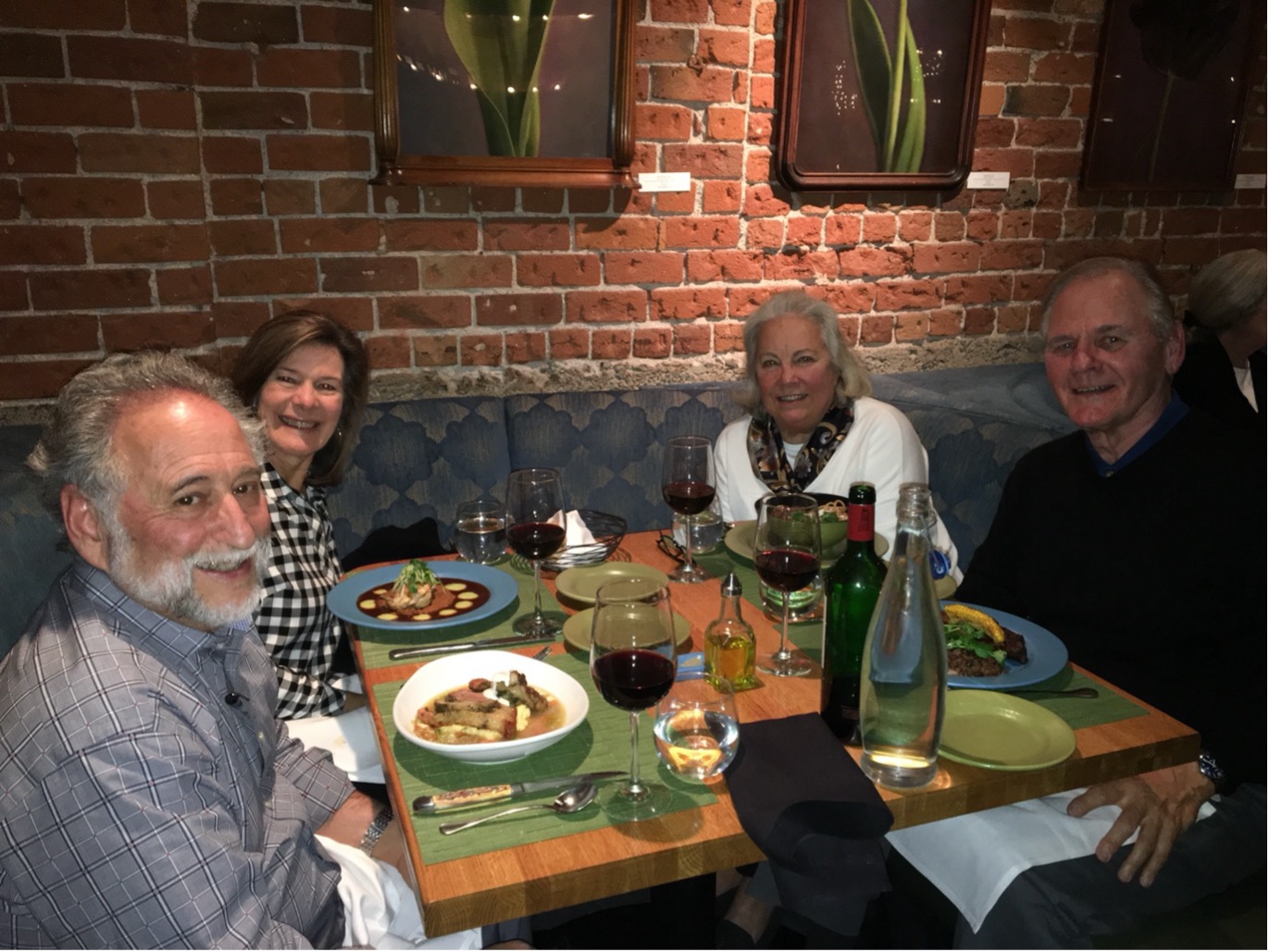
Janos and Rebecca Wilder at Janos Restaurant.
A Classroom Without Borders
Over time, the direction of travel became difficult to distinguish. Did Cornell send students into the world, or did the world come into the Cornell classroom? It went both ways. Château owners and winemakers stood before hundreds of students in Ithaca. Graduates carried those conversations into dining rooms, boardrooms, laboratories, clinics, wineries, hotels, and homes. Years later, they met one another again through the professor’s name.
Professor Mutkoski’s gift was not simply knowing wine or possessing an extraordinary palate. It was recognizing the human structure around the glass. He saw that a producer was also a steward of family history; that a student was also a future host, buyer, traveler, colleague, or friend; that an old merchant’s forgotten cellar could become a living bridge between generations.
He also understood that hospitality could be taught without announcing itself. It appeared in the care given to a donated cellar, in the respect shown to a visiting winemaker, in the invitation extended to students far outside the Hotel School, in the willingness to load 130 cases into a U-Haul, and in the decision to open a rare bottle rather than merely admire it. Wine was the vehicle. Hospitality was the destination. And with each introduction, the classroom reached farther.
The Community That Remained
Professor Mutkoski often said that every bottle represented people, every label represented a family, and every vintage represented history. Those ideas became far more than a way of teaching wine. They became a philosophy of hospitality, one that encouraged students to see each meal, each conversation, and each shared bottle as an opportunity to bring people together.
Professor Mutkoski’s legacy cannot be measured by the number of bottles preserved, lectures delivered, or students enrolled, even though each measure is substantial. It lives in a worldwide community of former students, winemakers, château owners, educators, hoteliers, restaurateurs, business leaders and professionals of all walks of life, collectors, travelers, and friends who still remember “The Wine Professor,” and who still introduce one another.
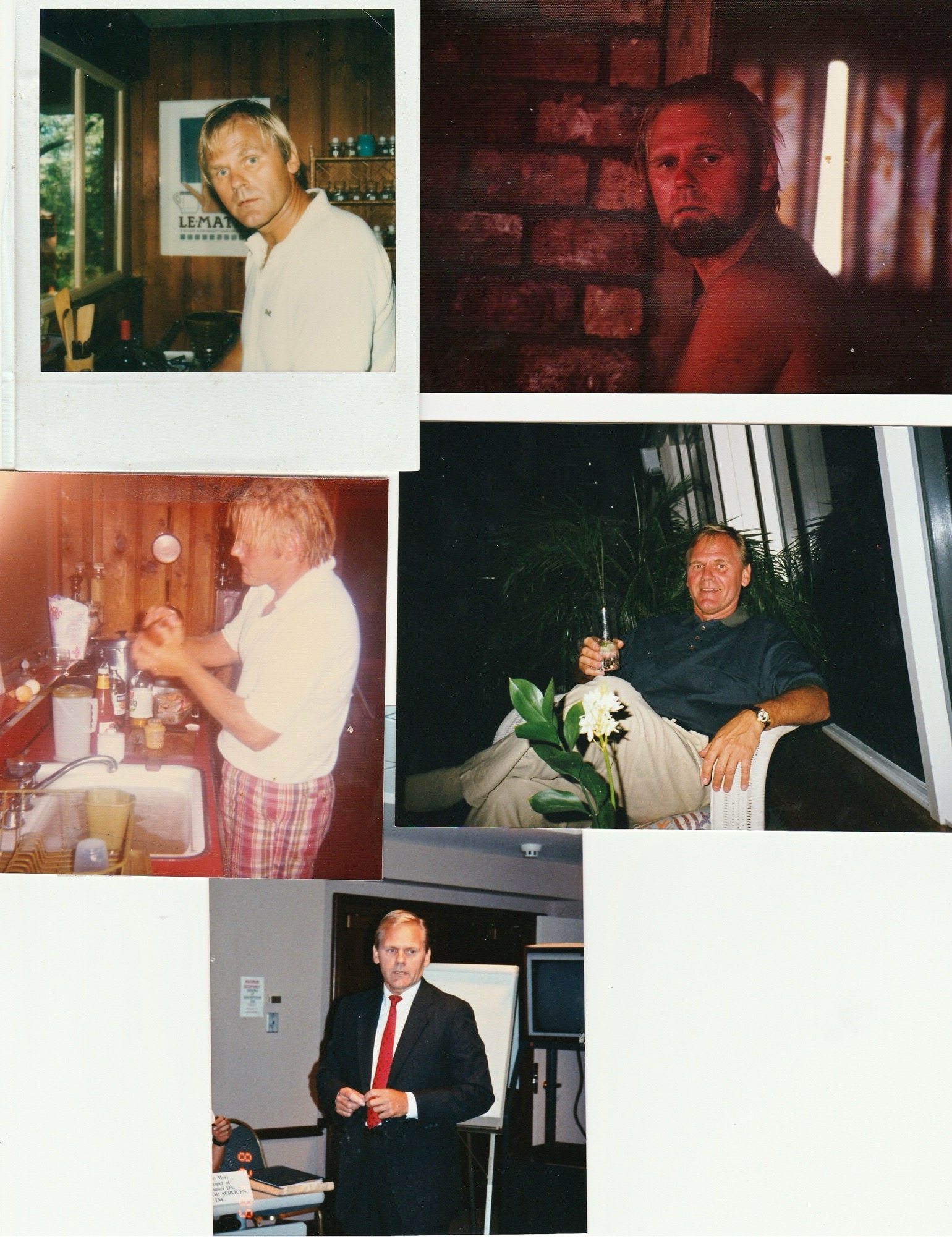
The bottles were never the destination. They were the introductions. His classroom had four walls, but the community he created spans the world.
By the time Professor Mutkoski retired, he had no doubts that the course would continue to thrive. Cheryl Stanley ‘00, who had once served as a teaching assistant in the class, brought experience from the food and beverage industry, advanced wine studies, and the Culinary Institute of America with her eventual return to Cornell as a lecturer. After teaching alongside her during his final year, Professor Mutkoski was comfortable passing the course into her hands, confident that both the curriculum and the relationships that defined it would continue.
The unofficial passing of the torch came during a Champagne class in 2014. Cheryl Stanley joined Professor Mutkoski, his family, and hundreds of students in celebrating thirty years of teaching Cornell’s wines course. Champagne seemed the only appropriate way to mark the occasion. Yet the day was less an ending than a continuation of a tradition begun by Professor Christian decades earlier.
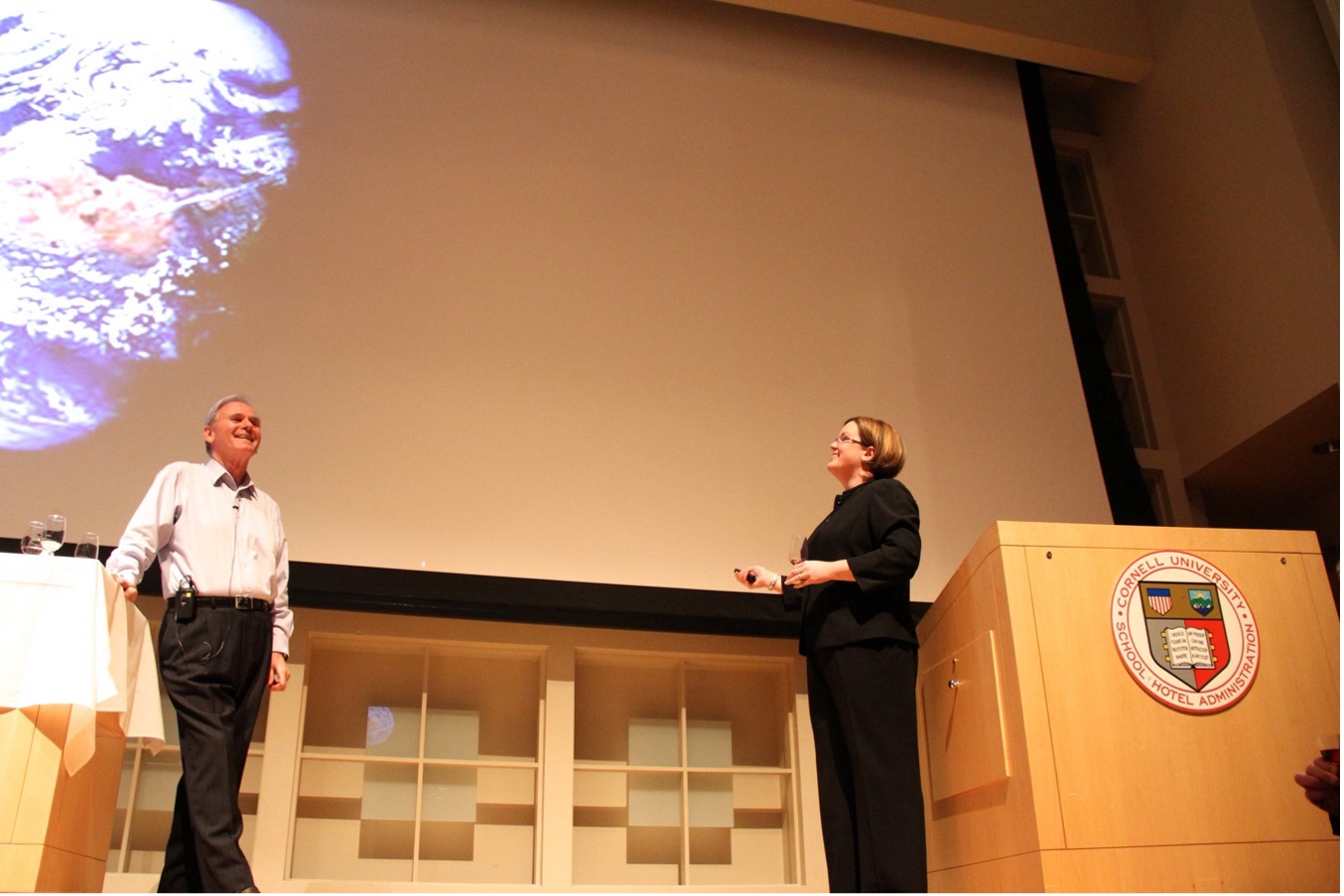
The evidence of that continuity can still be found in unexpected places. Recently, Professor Mutkoski’s granddaughter, now a Cornell student herself, received a call from a friend who had just visited Professor Stanley’s office. “There’s a picture of you as a little girl on her desk,” the friend said in amazement. The photograph was from that final Champagne class in 2014. More than a decade later, it still occupied a place in the office of Professor Mutkoski’s successor. The course remains one of Cornell’s most popular classes, but the photograph suggests something more enduring: the relationships built around the class continue to connect generations of students, teachers, and families long after the semester ends.
Professor Cheryl Stanley:
My thoughts on why Steve belongs in the Hotelie Hall of Fame;
It is easy to argue that Steve is one o f the most influential people in the wine and hospitality industries through his teaching and industry connections. Steve is an iconic Cornell professor, having taught one of the largest courses on campus for 3 0 years and starting the wine journey for thousands of Cornellians. Even though the class was large, he captivated students with stories, pictures, and of course, wine. In my meetings with Cornell alumni, I cannot say how many of them attribute their enjoyment of food, wine, travel, and life to the education they received in his class.
In Beverage Management, he challenged us as students to be our best. You did not want to disappoint him.
On a personal note, when I experienced a family tragedy the semester I was in Wines, he reached out, which meant the world to me.
Cheers, Cheryl
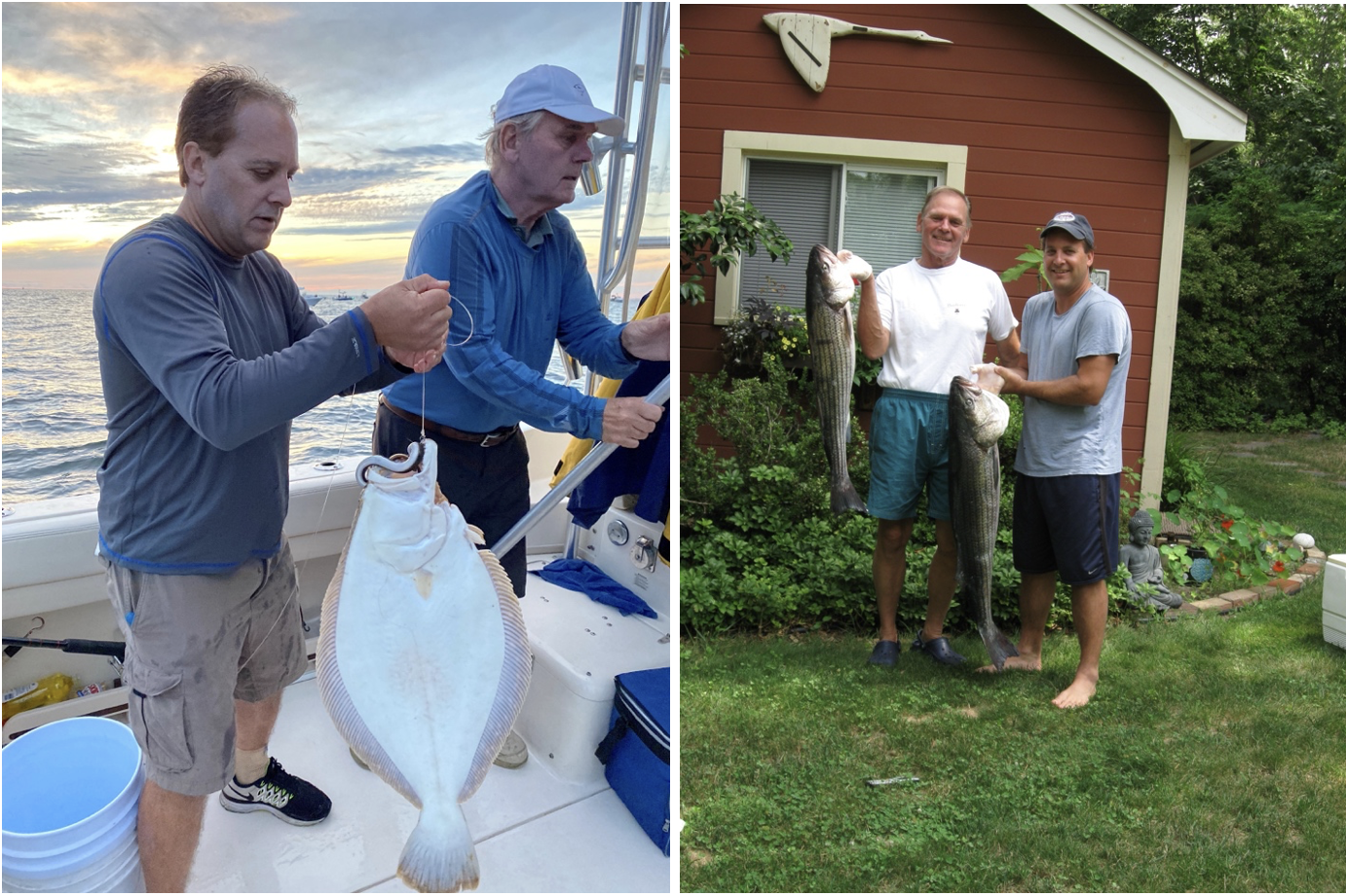
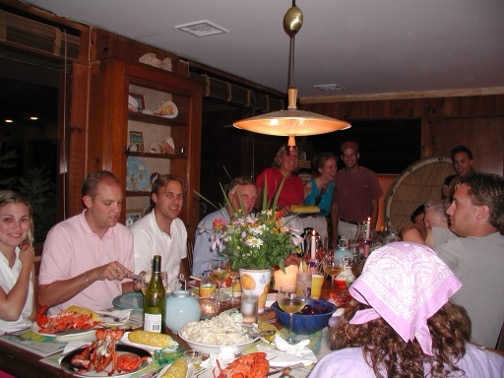
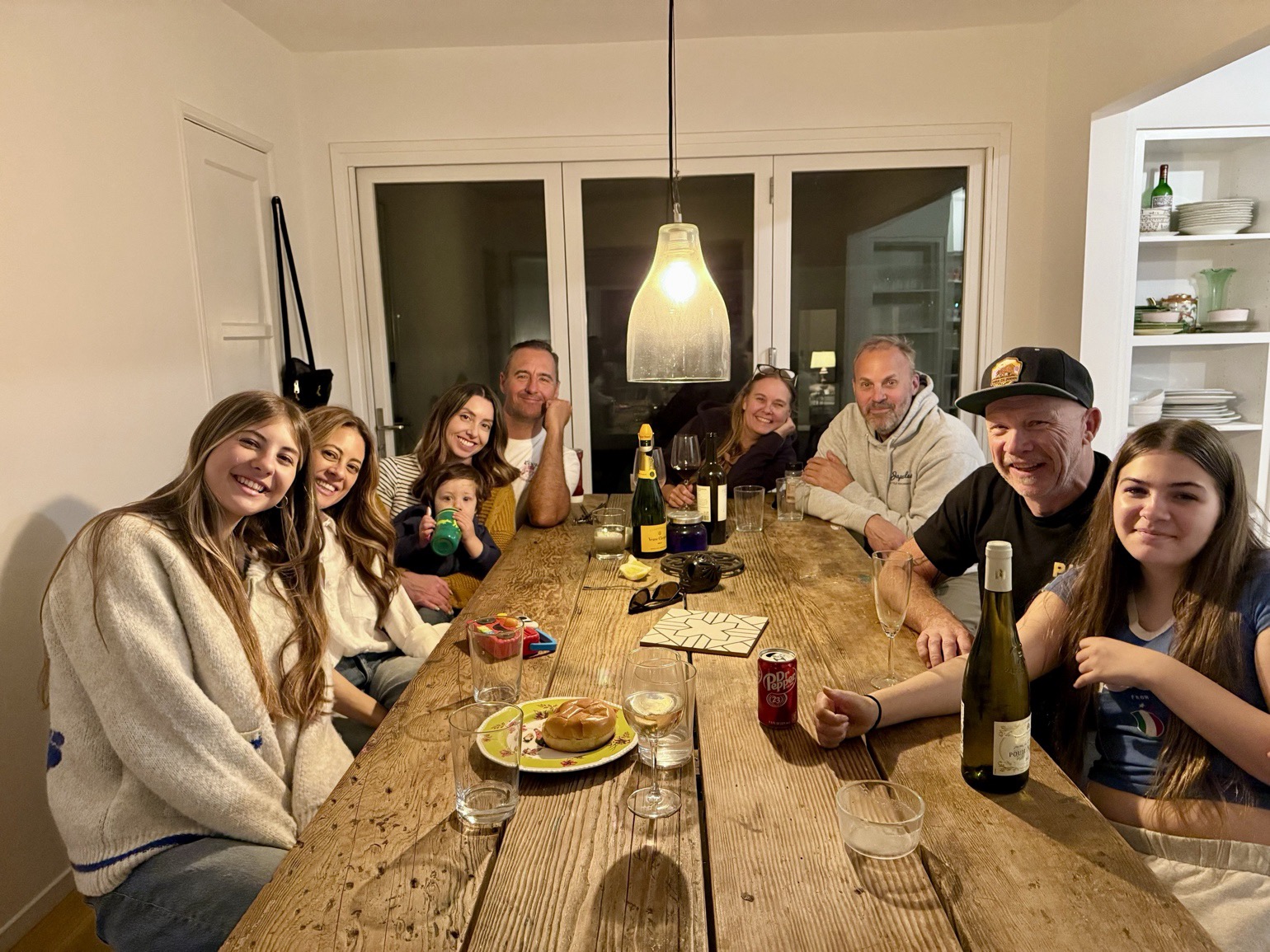
The next generation continues the table hospitality.
Christopher Hunsberg (CBH):
I had the distinct privilege of learning from Professor Steve Mutkoski during my time at the Cornell University School of Hotel Administration. Professor Mutkoski was not just an educator, he was a passionate mentor who set an exceptionally high standard for his students. His class was deeply practical, particularly for those of us focusing on food and beverage management, blending theoretical knowledge with real-world application.
One of the hallmarks of his teaching was his storytelling ability. He wove relevant personal anecdotes and experiences into our lessons, making concepts relatable and engaging. The field trip to New York City was always a highlight, providing invaluable hands-on experiences that brought our learning to life.
Steve’s strong partnership with Professor Vance Christian created a formidable duo that left an indelible mark on the program… and so many of us. Their collaboration exemplified the spirit of mentorship and excellence that is at the heart of Cornell’s educational philosophy.
Professor Mutkoski’s enthusiasm for and dedication to his field inspired countless students, reminding us all of the profound impact a great educator can have.
His legacy will continue to resonate within the walls of Cornell and in the lives of those he taught for many years to come.
CBH ’81
Cornell Chronicle – Iconic Wines Class Gets Better With Age
https://news.cornell.edu/stories/2023/12/iconic-wines-class-gets-better-age
Cornellians – Like a Fine Vintage, Iconic Wines Class Is Aging Splendidly